Preserving History: Expert Home Restoration Techniques
- vcraftsmanpa
- 2 days ago
- 4 min read
Home restoration is more than just a trend; it is a commitment to preserving the stories and craftsmanship of the past. As homeowners, we often find ourselves captivated by the charm of older homes, their unique architectural features, and the history they embody. However, restoring these homes requires a careful approach, blending modern needs with historical integrity. In this blog post, we will explore expert techniques for home restoration that not only enhance the beauty of your space but also honor its history.

Understanding the Importance of Home Restoration
The Value of Historical Homes
Historical homes are a window into the past, reflecting the architectural styles, materials, and craftsmanship of their time. They tell stories of the families who lived in them and the communities that surrounded them. By restoring these homes, we preserve not only the physical structure but also the cultural heritage they represent.
Benefits of Home Restoration
Restoring a historical home offers numerous benefits:
Preservation of Craftsmanship: Many older homes feature unique craftsmanship that is hard to replicate today. Restoring these elements maintains the character of the home.
Increased Property Value: Well-restored homes often appreciate in value, making them a smart investment.
Sustainability: Restoring rather than demolishing reduces waste and promotes sustainable living practices.
Community Pride: Restored homes contribute to the overall aesthetic and historical value of neighborhoods, fostering community pride.
Planning Your Restoration Project
Research and Documentation
Before diving into a restoration project, thorough research is essential. Start by gathering information about your home’s history, including:
Architectural Style: Identify the architectural style of your home to guide your restoration choices.
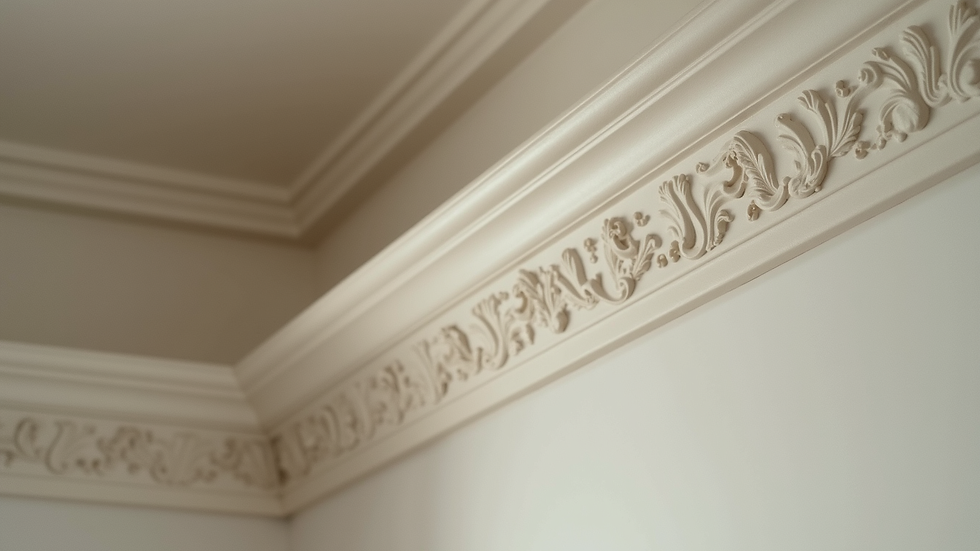
Original Features: Document original features such as moldings, windows, and doors that should be preserved or replicated.
Historical Context: Understand the era in which your home was built to make informed decisions about materials and design.
Creating a Restoration Plan
A well-thought-out plan is crucial for a successful restoration. Consider the following steps:
Set a Budget: Determine how much you can afford to spend on the restoration. Include costs for materials, labor, and unexpected expenses.
Prioritize Projects: Identify which areas need immediate attention and which can wait. Focus on structural repairs first, followed by cosmetic updates.
Hire Professionals: Depending on the scope of your project, consider hiring experts such as architects, contractors, or preservation specialists who have experience with historical homes.
Key Restoration Techniques
Preserving Original Features
One of the most important aspects of home restoration is preserving original features. Here are some techniques to consider:
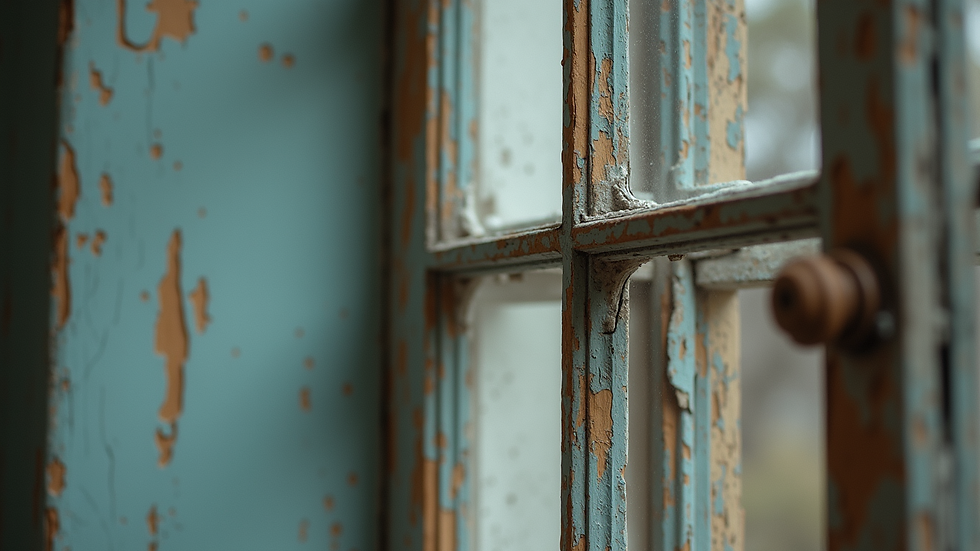
Repair Instead of Replace: Whenever possible, repair original windows, doors, and moldings instead of replacing them. This maintains the home’s authenticity.
Use Appropriate Materials: When repairs are necessary, use materials that match the original as closely as possible. For example, if your home has wood siding, use the same type of wood for repairs.
Restore Historical Paint Colors: Research the original paint colors used in your home and consider restoring them. This can significantly enhance the historical accuracy of your restoration.
Structural Repairs
Addressing structural issues is crucial for the safety and longevity of your home. Common structural repairs include:
Foundation Repairs: If you notice cracks in the foundation or uneven floors, consult a structural engineer to assess the situation and recommend repairs.
Roofing: Inspect the roof for leaks or damage. If repairs are needed, choose materials that match the original roofing style.
Electrical and Plumbing Updates: While preserving the home’s character, ensure that electrical and plumbing systems meet modern safety standards. Work with licensed professionals to update these systems without compromising the home’s integrity.
Interior Restoration
Restoring the interior of your home can breathe new life into its historical charm. Consider these techniques:
Refinishing Floors: If your home has original hardwood floors, consider refinishing them instead of replacing them. This can restore their beauty and character.
Restoring Fireplaces: Fireplaces are often focal points in historical homes. Clean and restore original fireplaces, or consider adding a historically accurate reproduction if the original is beyond repair.
Updating Fixtures: Replace modern fixtures with period-appropriate options. This includes lighting, hardware, and plumbing fixtures that reflect the home’s era.
Landscaping and Exterior Restoration
The exterior of your home is just as important as the interior. Here are some restoration techniques for the outside:
Garden Restoration: Research historical landscaping styles and consider restoring gardens to reflect the home’s original design. Native plants can enhance the historical feel while promoting sustainability.
Exterior Painting: Choose paint colors that are historically accurate for your home’s style. This can significantly enhance curb appeal.
Porch Restoration: If your home has a porch, restore it to its original condition. This may include repairing railings, flooring, and decorative elements.
Navigating Challenges in Home Restoration
Dealing with Permits and Regulations
Restoring a historical home often involves navigating local regulations and obtaining permits. Here are some tips:
Check Local Regulations: Research local laws regarding historical preservation. Some areas have strict guidelines that must be followed.
Obtain Necessary Permits: Before starting any work, ensure you have the necessary permits. This may include building permits, zoning approvals, and historical preservation permits.
Managing Costs
Restoration projects can quickly become expensive. To manage costs effectively:
Get Multiple Quotes: When hiring contractors, obtain multiple quotes to ensure you are getting a fair price.
Consider DIY: If you have the skills, consider tackling smaller projects yourself to save on labor costs.
Plan for Contingencies: Set aside a portion of your budget for unexpected expenses that may arise during the restoration process.
Conclusion
Home restoration is a rewarding journey that allows you to connect with the past while creating a beautiful living space. By employing expert techniques and prioritizing the preservation of original features, you can honor the history of your home while making it functional for modern living. Remember to plan carefully, seek professional guidance when needed, and embrace the unique character that comes with restoring a historical home.
As you embark on your restoration journey, keep in mind that every decision you make contributes to the legacy of your home. Whether you are restoring a Victorian masterpiece or a mid-century gem, your efforts will ensure that the stories of the past continue to be told for generations to come.
Comments